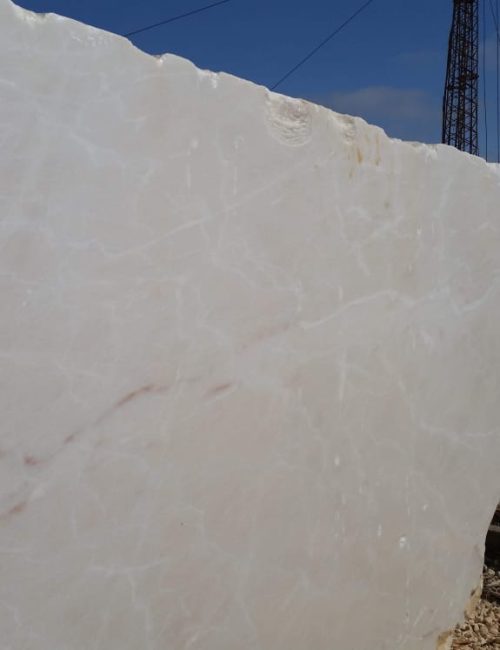
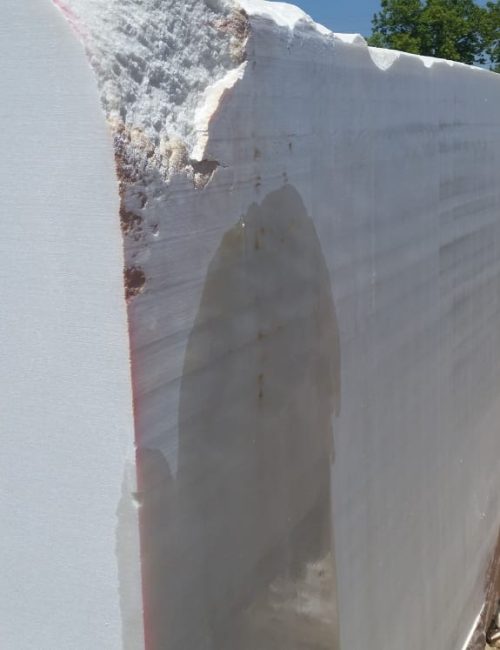
Porcelain stones, often referred to as porcelain tiles or slabs, are man-made materials designed to mimic the appearance of natural stones like marble, granite, or limestone. These stones are created through a process that involves pressing and firing a mixture of clay, feldspar, silica, and other natural minerals at high temperatures.
Key characteristics of porcelain stones include:
Appearance: They can replicate the look of various natural stones, providing a wide range of colors and patterns. This allows for versatile and customizable designs.
Durability: Porcelain stones are known for their durability, hardness, and resistance to scratches, stains, and moisture. This makes them suitable for high-traffic areas and outdoor applications.
Versatility: Available in different sizes and thicknesses, porcelain stones can be used for various applications, including flooring, wall cladding, countertops, and exterior paving.
Low Maintenance: These stones are relatively easy to clean and maintain. They do not require sealing, and regular cleaning with mild detergents is usually sufficient.
Technology: Advanced manufacturing techniques, including digital printing technology, allow for highly realistic patterns and textures, enhancing the aesthetic appeal of porcelain stones.
Applications: Commonly used in residential and commercial spaces, porcelain stones are popular for interior and exterior design projects. They are often chosen for their aesthetic versatility and practicality.